# How Zero-Trace Trekking is Reviving the High Meadows of Dayara
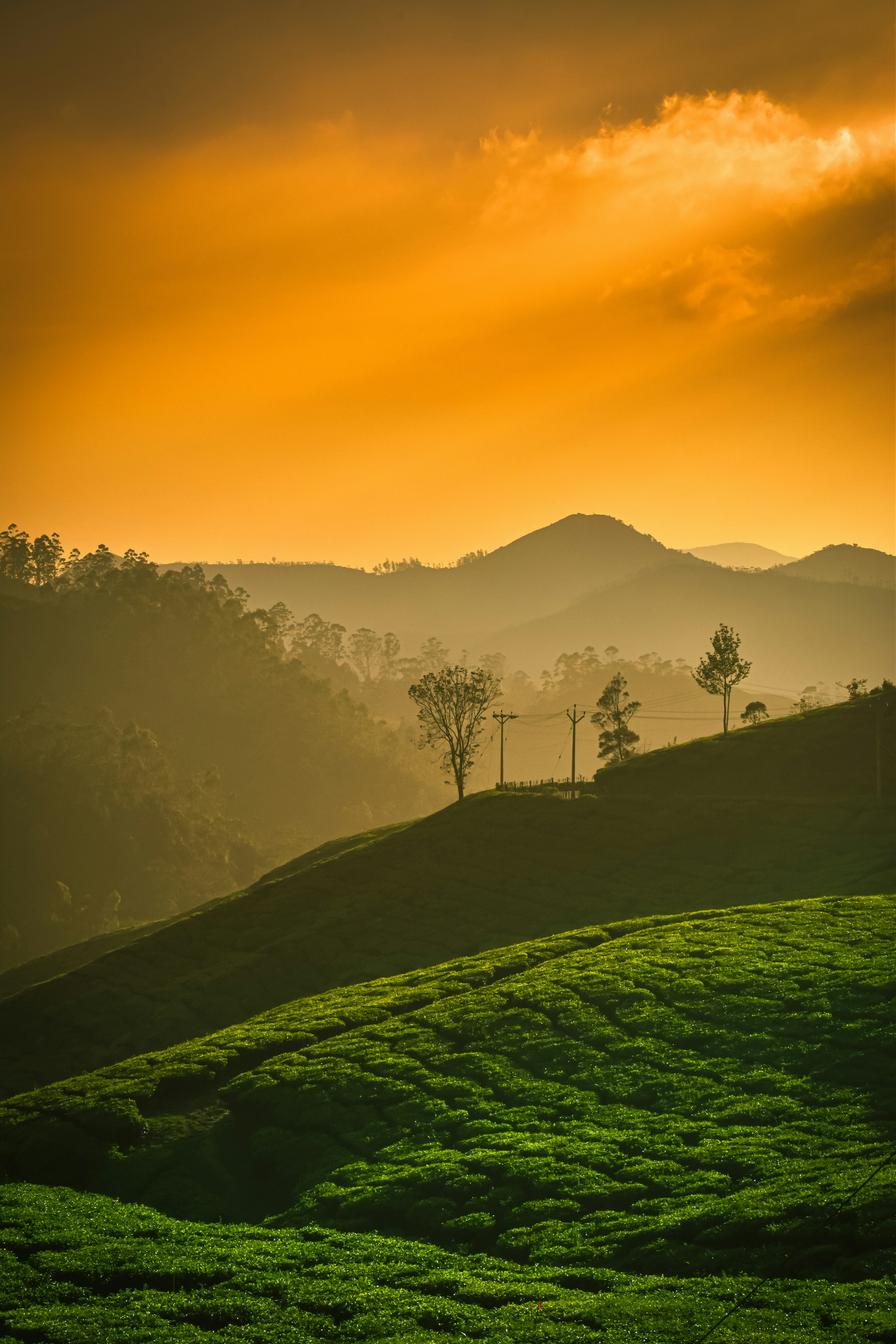
Perched at an elevation of over 11,000 feet in the Uttarkashi district of Uttarakhand, the vast undulating alpine meadows of **Dayara Bugyal** have long been celebrated as one of the most breathtaking high-altitude expanses in the Indian Himalayas. In summer and autumn, velvet green turf blankets the ridges, punctuated by blossoms of potentilla, primulas, and gentians. In winter, an uninterrupted carpet of powder snow spans across miles of rolling slopes under the gaze of Mt. Bandarpoonch and the Gangotri ranges.
Yet, over the last two decades, rapid unchecked tourism and plastic proliferation brought unprecedented ecological stress to these delicate high-altitude ecosystems.
---
## The Alpine Fragility: Why Bugyals Cannot Handle Waste
Alpine meadows (known regionally as *Bugyals*) exist in fragile sub-zero climatic equilibrium. Because of extreme cold, freezing winds, and limited seasonal sunlight:
- **Organic waste decomposes at less than a tenth** of the speed it does at sea level.
- Single-use plastic wraps, PET bottles, and non-biodegradable food wrappers get trapped under seasonal snowpacks, leaching microplastics directly into glacial melt streams.
- Heavy foot traffic off designated trails trampling the topsoil tears up root networks of endemic medicinal grasses that took centuries to establish.
Faced with this growing crisis, a unique community alliance was born between the indigenous Gujjar shepherd families, local Uttarkashi villages, and Trekking Miles eco-stewards.
---
## The Alliance: Shepherds & Trekkers Standing Together
For centuries, semi-nomadic Gujjar communities have guided livestock to Dayara’s alpine pastures during summer months. They understand the pulse of these ridges better than anyone else.
In partnership with local village panchayats, our Zero-Trace Trekking protocol was instituted with clear, non-negotiable principles:
### 1. The Strict No-Single-Use-Plastic Mandate
Every expedition entering the Dayara trail registry is audited at the Raithal trailhead. Single-use plastic snack wrappers are decanted into reusable silicone pouches or tin canteens before ascending.
### 2. Mandatory "Pack-It-In, Pack-It-Out" Audits
Every gram of non-organic material brought onto the trail is inventoried on ascent and weighed again upon descent. Trekkers also carry clean-up sacks to collect historical debris left behind by past unguided camps.
### 3. Dry Bio-Toilets with Carbon Sourcing
Traditional chemical pit latrines damage subsoil mountain aquifers. Zero-trace camps utilize dry toilet tents with sawdust and wood-ash carbon balancing. Waste is safely removed and composted at lower elevations.
### 4. Trail Preservation & Flora Corridors
Trekkers are escorted exclusively along designated stone corridors to prevent meadow erosion and protect blooming colonies of alpine flora.
---
## The Measurable Impact: Nature Reclaims Her Throne
Since the full implementation of these collective stewardship practices across Dayara:
- Over **2.4 tons of legacy plastic and metallic debris** were systematically removed and recycled.
- Ground cover density of rare native flowering species increased by **38%** across monitored quadrats.
- Direct eco-compensation wages now flow back to native mountain guides, mule stewards, and women-led village homestays in Barsu and Raithal.
---
## How You Can Trek Zero-Trace
When you step onto high Himalayan trails, remember that you are a temporary guest in an ancient, living home:
1. **Carry a reusable hydration flask**: Never purchase single-use plastic bottles in mountain towns.
2. **Opt for biodegradable trail hygiene**: Use natural soap nuts or plant-based personal hygiene products that leave zero chemical residue.
3. **Respect local shepherd boundaries**: High meadows are living pastures; give livestock space and keep sound levels serene.
4. **Choose certified regenerative operators**: Travel with teams that prioritize local community employment and verifiable conservation metrics.
By choosing zero-trace trekking, we prove that human wanderlust does not have to cost the Earth. Together, we can leave the high meadows wilder, cleaner, and more magnificent than we found them.

Field GuideFeatured
How Zero-Trace Trekking is Reviving the High Meadows of Dayara
How an alliance between indigenous shepherd families and trekking collectives eliminated plastic waste and restored fragile alpine flora across Uttarakhand high passes.
Trekking Miles Eco Team
October 14, 2025
6 min read
Dayara Bugyal, Uttarakhand
1420
94
Eco TrekkingHimalayasZero WasteUttarakhand

Trekking Miles Eco Team
Author

Keywords
dayara bugyalzero trace trekkingsustainable tourismuttarakhandhimalayasleave no tracehigh alpine meadows