# Voices of the Silent Valley: Living with Indigenous Forest Stewards
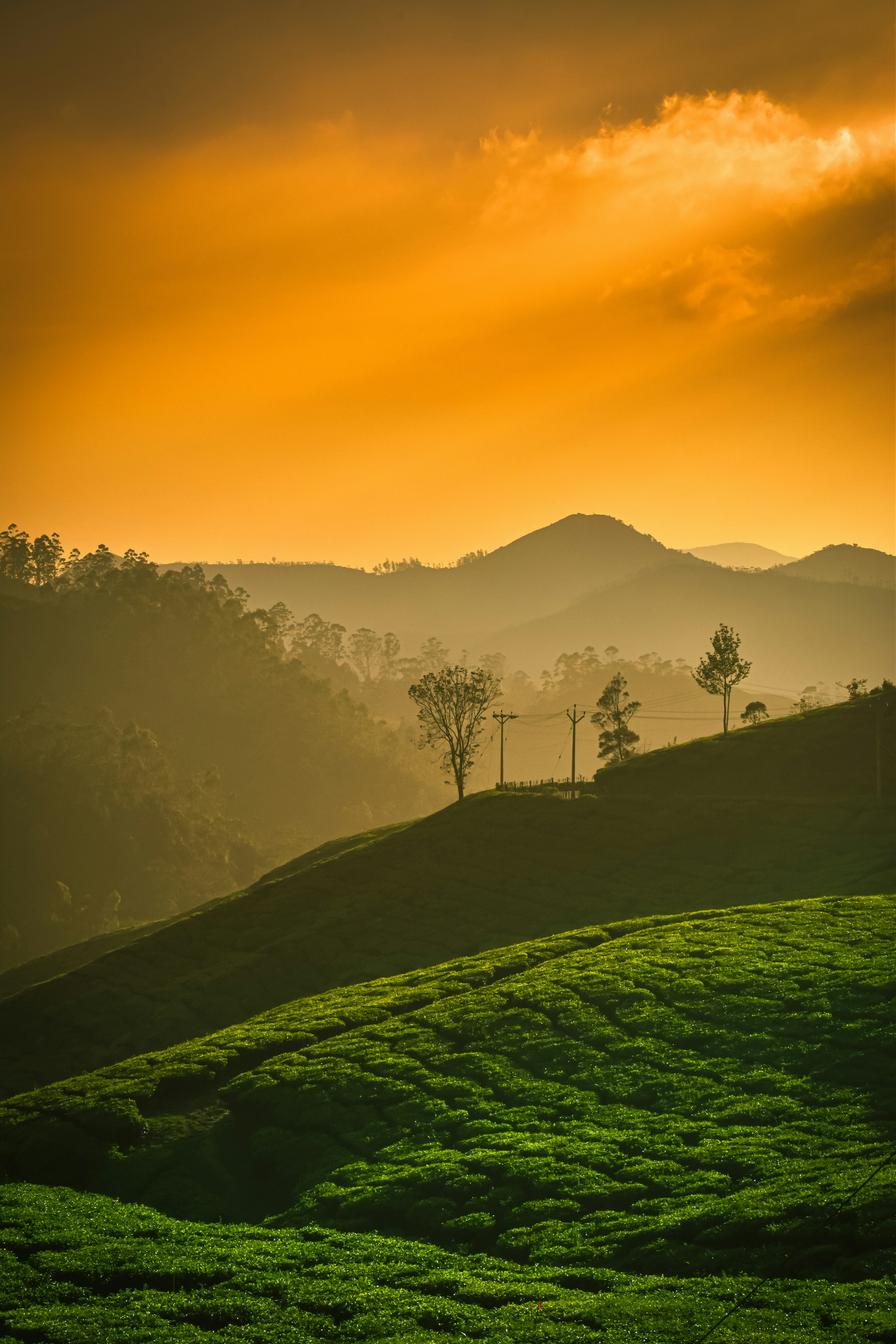
Hidden within the undulating folds of the Nilgiri Hills in Kerala lies the **Silent Valley National Park** — one of the last undisturbed tracts of South Western Ghats montane rain forests and tropical moist evergreen forest in India.
The name "Silent Valley" was coined due to the peculiar absence of cicadas that commonly fill tropical forests with their deafening drone. But beneath the canopy of ancient rosewoods and wild nutmegs, the forest is alive with profound wisdom — guarded and nurtured by indigenous communities including the **Mudugar, Irular, and Kurumbar** peoples.
---
## Keepers of Ancient Botanical Wisdom
For centuries, these indigenous forest guardians have maintained a relationship of mutual reverence with the jungle. Their knowledge of wild flora and fauna is astounding:
- Over **300 species of medicinal plants** identified and harvested sustainably using traditional rotation ethics.
- Deep tracking instincts that recognize elephant corridors, king cobra nests, and the elusive lion-tailed macaque without causing disturbance.
- Cultural taboos that designate sacred groves (*Kavu*) where felling a single branch or plucking wild fruit is forbidden, creating micro-sanctuaries of high biodiversity.
---
## From Marginalization to Conservation Leadership
Historically, economic exclusion often forced native youths into vulnerable positions, while commercial poachers exploited remote jungle fringes.
A revolution occurred when community-led eco-development committees (EDCs) empowered indigenous elders and youths to step forward as official Forest Stewards and Eco-Guides:
1. **Daily Anti-Poaching Patrols**: Indigenous youth now lead foot patrols alongside forest rangers, reducing poaching and illegal logging to virtually zero.
2. **Experiential Rainforest Interpretation**: Visitors no longer merely drive through a gate; they walk alongside elders who explain the ecological heartbeat of the forest.
3. **Equitable Community Livelihoods**: 100% of the eco-tourism guide fees and local homestay earnings go straight into community healthcare, solar village infrastructure, and youth education.
---
## Living with Respect: The Traveler's Code
Visiting these sacred evergreen valleys requires reverence and humility:
- **Listen more than you speak**: The forest communicates in whispers — rain droplets, birdsong, and rustling bamboo.
- **Support indigenous cooperatives**: Buy wild forest honey, native spices, and bamboo crafts directly from tribal cooperative societies.
- **Respect sacred boundaries**: Never step inside cordoned sacred groves or photograph indigenous ceremonies without direct permission.
The story of Silent Valley demonstrates that true conservation succeeds not by fencing nature away from people, but by empowering the communities who have loved and protected it for generations.
Community StoryFeatured
Voices of the Silent Valley: Living with Indigenous Forest Stewards
Exploring the sacred botanical wisdom passed down over generations, and how experiential forest stays are replacing poaching with community-patrolled wildlife protection.
Dr. Arunima Nair
November 2, 2025
8 min read
Silent Valley, Kerala
1890
142
Western GhatsIndigenous HeritageKeralaRainforest


Dr. Arunima Nair
Author

Keywords
silent valleykeralamindigenous stewardscommunity tourismwestern ghatsconservationrainforest