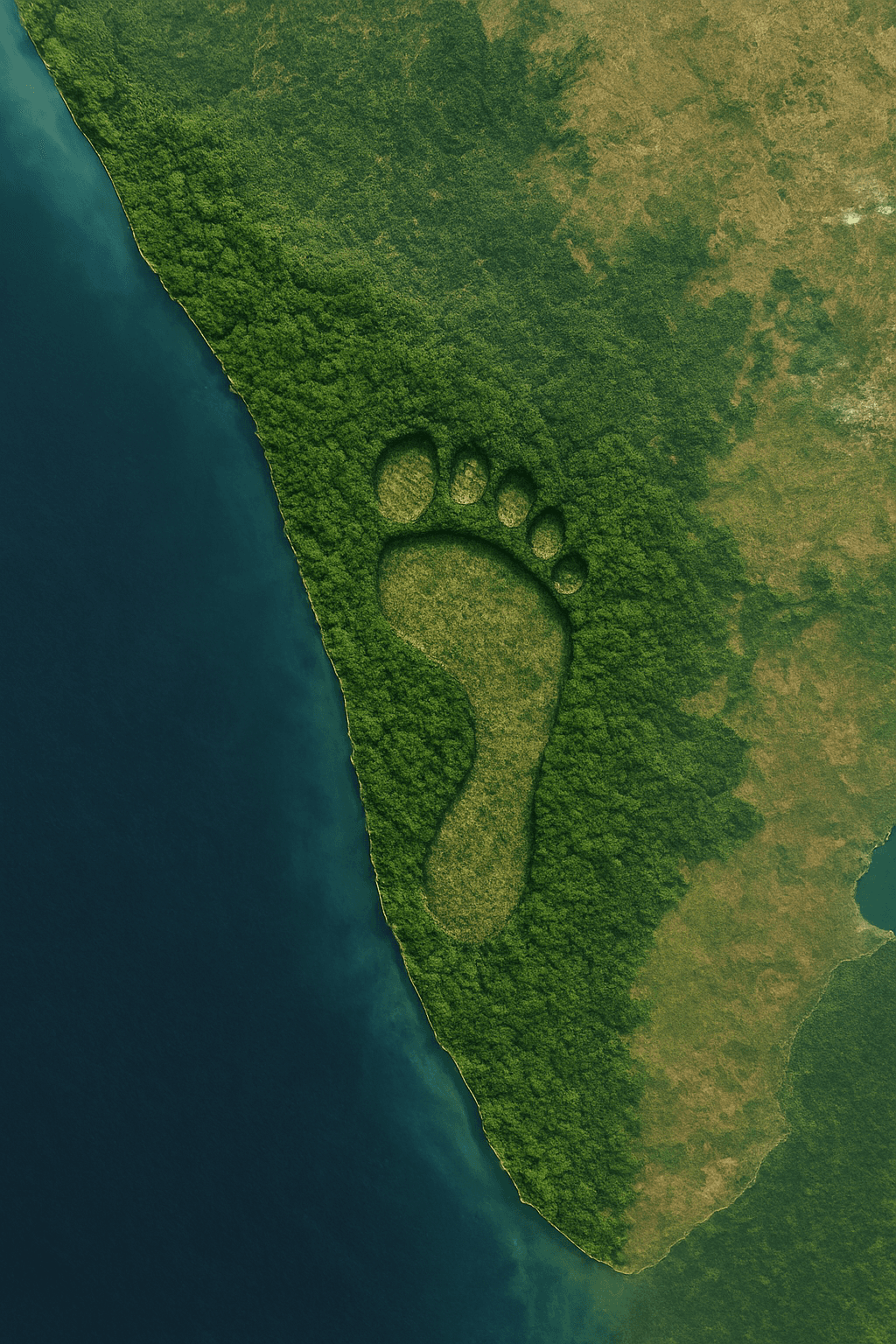
Exploring the Hidden Trails of Wayanad: A Sustainable Adventure
Nestled in the Western Ghats of Kerala, Wayanad offers some of the most pristine and untouched natural landscapes in India. While popular tourist spots get crowded, the hidden trails of Wayanad remain a sanctuary for those seeking authentic experiences and sustainable travel.
The Journey Begins
My adventure started early in the morning, as the mist still clung to the rolling hills. The air was crisp, filled with the sounds of birds welcoming the dawn. Unlike the commercialized trekking routes, these hidden trails are maintained by local communities who have lived in harmony with nature for generations.
Connecting with Local Communities
One of the most rewarding aspects of exploring these trails is the opportunity to interact with indigenous communities. The Paniya and Kurichiya tribes have been the guardians of these forests for centuries. By choosing community-led tours, travelers directly support these communities while gaining insights into their rich cultural heritage.
Sustainable Practices
During my journey, I learned several sustainable practices that every responsible traveler should adopt:
1. Leave No Trace: Carry all waste back with you. These pristine environments deserve to remain untouched.
2. Support Local: Purchase handicrafts and products directly from local artisans. This ensures your money goes directly to the community.
3. Respect Wildlife: Maintain a safe distance from animals and avoid feeding them. The ecosystem is delicate and needs protection.
4. Water Conservation: Use water sparingly. Many communities in these areas face water scarcity.
5. Cultural Sensitivity: Learn about local customs and traditions before visiting. Respect sacred sites and community spaces.
The Hidden Gems
Among the trails I explored, a few stood out:
- Chembra Peak: While popular, the early morning trek offers solitude and breathtaking views.
- Edakkal Caves: Ancient rock carvings that tell stories of civilizations past.
- Banasura Sagar Dam: A serene spot perfect for reflection and bird watching.
- Tholpetty Wildlife Sanctuary: Home to diverse flora and fauna, best explored with local guides.
The Impact of Responsible Travel
By choosing sustainable travel options, we create a positive impact:
- Economic Empowerment: Local guides and homestays benefit directly from tourism.
- Environmental Conservation: Community-led initiatives often include conservation efforts.
- Cultural Preservation: Tourism revenue helps preserve traditional practices and knowledge.
- Education: Travelers learn about biodiversity and conservation, becoming ambassadors for these places.
Tips for Your Journey
1. Book with local tour operators who employ community members
2. Stay in eco-friendly homestays run by local families
3. Pack light and bring reusable water bottles
4. Learn a few words in the local language - it goes a long way
5. Be patient and flexible - things move at a different pace in nature
Conclusion
Exploring Wayanad's hidden trails isn't just about the destination; it's about the journey of becoming a more conscious traveler. Every step we take with awareness and respect contributes to preserving these beautiful places for future generations.
The trails of Wayanad taught me that sustainable travel isn't a compromise - it's an enhancement. It deepens our connection with nature, enriches our understanding of different cultures, and leaves us with memories that are both meaningful and responsible.